
Valparaiso, the capital of the region of the same name, is one of Chile’s most important commercial and naval ports. Located about 116 km northwest of Santiago, this iconic coastal city is renowned for its steep hills, colorful neighborhoods, and distinctive cultural identity. Its unique character has inspired countless songs, stories, and artistic expressions celebrating its landscapes, traditions, and the charm of its people.
With a population of over 300,000, Valparaiso is among the largest cities in the country. The Greater Valparaiso metropolitan area—integrated with nearby cities such as Viña del Mar, Quilpué, and Villa Alemana—exceeds one million inhabitants, making it Chile’s second-largest urban area after Santiago.
Valparaiso is affectionately known as "Pancho" and "La Joya del Pacífico" ("The Jewel of the Pacific") thanks to its dramatic seascapes, rich history, and hillside architecture. During its peak prosperity in the second half of the 19th century, it was also referred to by sailors as "Little San Francisco". Its historic quarter was declared a World Heritage Site by UNESCO on July 2, 2003.
One of the city’s most prominent landmarks is the seat of the National Congress, relocated here during the military government as part of a decentralization effort—though the decision remains debated since the executive branch operates from Santiago. As a key maritime hub, Valparaiso is also home to the headquarters of the Chilean Navy and numerous institutions linked to the country’s naval and port activities.
The city has a Mediterranean climate, with mild, occasionally rainy winters and very dry summers, conditions that can increase the risk of forest fires in surrounding areas. The average annual temperature is around 14°C. Below is a selection of must-see places to visit in Valparaiso.
Things to Do in Valparaiso, Chile
Valparaiso offers a wide variety of experiences for visitors, combining history, culture, art, and unique landscapes. Here are some of the top things to do in this iconic port city:
- Ride one of the traditional funiculars to explore the city’s steep hills and enjoy panoramic views.
- Walk through Cerro Alegre and Cerro Concepcion, known for their colorful houses, cafés, and boutique shops.
- Visit "La Sebastiana", the former home of Pablo Neruda, and discover his unique lifestyle and collections.
- Enjoy the city’s famous miradores (viewpoints), offering some of the best panoramic views of the bay.
- Take a boat tour across the bay to see the port activity and the city from the sea.
- Explore museums, historic buildings, and cultural landmarks that reflect the rich heritage of Valparaiso.
Hills of Valparaiso
The more than 40 hills surrounding the bay form one of Valparaiso’s most iconic landscapes, with colorful houses and winding streets adapted to steep slopes. These “cerros” are not just geographical features but distinct neighborhoods, each with its own history, architecture, and cultural identity. Among the most representative hills are:
Cerro Concepcion, one of the oldest and most traditional hills, reflects strong European influence, especially from German immigrants who helped shape its urban layout. Its charming viewpoints, gardens, and elegant houses make it one of the most visited areas.
Notable landmarks include St. Paul’s Anglican Church (1858), one of the first Anglican temples in the country, and the nearby Lutheran Church. The historic Ascensor Concepcion, inaugurated in 1883, connects the hill with the lower city. Scenic walks such as Paseo Atkinson and Paseo Gervasoni, along with places like La Casa de Lukas, add artistic and cultural value to the area.

|
| Hotel Palacio Astoreca, Cerro Alegre |
Highlights include Baburizza Palace, now the Municipal Museum of Fine Arts, and the elegant Palacio Astoreca, built in 1923 and currently operating as a boutique hotel.
Cerro Bellavista offers panoramic views of the bay and is home to the Open-Air Museum of Valparaiso, featuring numerous large-scale murals by Chilean and international artists. This hill reflects the city’s strong connection to street art and creative expression.
Cerro Artilleria stands out for its dramatic views and maritime heritage. Key attractions include the National Maritime Museum, Paseo 21 de Mayo, and traditional funiculars. The hill also features historic houses such as Casa Cuatro Vientos, one of the most photographed spots in the city.
%20(1).webp)
|
| Palacio Polanco, El Almendral |
Cerro Baron, located at the eastern edge of the “Plan” (the flat downtown area), is home to the historic San Francisco Church. This landmark gave rise to the nickname "Pancho", as it was once a key reference point for sailors approaching the port.
Nearby lies El Almendral, a traditional district featuring important landmarks such as the National Congress, Plaza Victoria, the Cathedral, O’Higgins Square, and Mercado Cardonal, a historic market building dating back to 1912. The area also includes Palacio Polanco, now used by Carabineros de Chile.
Street Art in Valparaiso
Valparaiso is internationally recognized for its vibrant street art scene, which has transformed the city into an open-air gallery. Murals, graffiti, and colorful expressions can be found throughout its hills, making art an essential part of everyday life.
One of the best places to experience this artistic movement is Cerro Bellavista, home to the famous Open-Air Museum (Museo a Cielo Abierto), where large-scale murals created by Chilean and international artists are displayed along streets and stairways.
Street art in Valparaiso is constantly evolving, with new works appearing regularly, reflecting social, cultural, and political themes. Walking through the city’s hills offers a unique opportunity to discover these creative expressions at every turn.
Guided tours are available for those who want to learn more about the artists and the stories behind the murals, making it an engaging and immersive experience.
Valparaiso Transportation: Metro, Buses and Getting Around
The Valparaiso Metro, commonly known as "Metroval", is a key public transportation system serving the metropolitan area. The network extends for approximately 43 km and includes 20 stations, connecting Valparaiso with nearby cities such as Viña del Mar, Quilpué, Villa Alemana, and Limache. With trains running every 6 to 12 minutes, it offers a fast, reliable, and affordable way to travel across the region.
Passengers typically use a rechargeable Metroval card, which allows seamless travel on both the metro and integrated bus services. The card remains the most widely used and reliable option for getting around the Valparaiso metropolitan area.
In addition to the metro, Valparaiso offers various transportation options, including local buses, taxis, and ride-hailing services. Apps such as Uber and similar platforms are widely used in the metropolitan area. As in other parts of Chile, contactless payments with bank cards or mobile devices have become increasingly common, although availability may vary depending on the service.
The system is also bicycle-friendly through the MetroBici program, which allows cyclists to bring their bikes on weekends and holidays. This initiative promotes sustainable mobility and makes it easier to combine cycling with public transportation.
Funiculars of Valparaiso
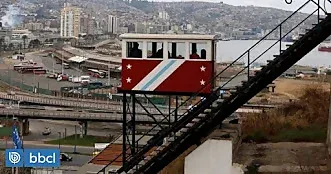
Due to its steep geography and more than 40 hills, Valparaiso developed a unique system of hillside transport known locally as "ascensores". Despite the name, most of them are not elevators but historic funicular railways that connect the lower city with the hilltop neighborhoods. These systems are an essential part of the city’s identity and were recognized as part of its UNESCO World Heritage designation.
The only true elevator is Ascensor Polanco, inaugurated in 1916 and declared a National Monument in 1976. It is accessed through a tunnel of about 150 meters, giving it a very distinctive character. Most of the other systems date back to the late 19th and early 20th centuries, such as Ascensor Concepcion (1883), one of the oldest. At their peak, more than 30 funiculars operated in the city, although today only a limited number remain active, several of them restored in recent years.
Among the most notable is Ascensor Artilleria (1893), originally built to transport naval personnel and now valued for its scenic ride to Paseo 21 de Mayo, one of the city’s main viewpoints. Ascensor Baron (1906) was the first to operate with an electric motor, replacing earlier water-powered systems.
Ascensor Reina Victoria (1902), located in Cerro Alegre, is known for its steep incline and short but picturesque route. Meanwhile, Ascensor El Peral (1901) connects Plaza de Justicia with Paseo Yugoslavo, offering easy access to one of the most visited areas, where Baburizza Palace and the Municipal Museum of Fine Arts are located.
Viewpoints of Valparaiso (Miradores)
.webp "Image: hotel17.cl")
|
| Mirador Plaza Bismarck |
Valparaiso’s hills are home to numerous viewpoints, locally known as miradores, offering some of the most captivating panoramic views of the bay, the port, and the colorful urban landscape. These scenic spots are among the city’s top attractions, ideal for photography and for appreciating its unique geography.
Paseo Atkinson, located in Cerro Concepcion, is a charming viewpoint lined with historic 19th-century houses and small gardens. It is one of the most visited spots thanks to its classic architecture and excellent views over the bay.
Paseo Gervasoni, just a short walk away, offers similarly impressive views and a lively atmosphere. Here you will find the former home of Chilean cartoonist Renzo Pecchenino (Lukas), as well as traditional cafés and historic buildings that add cultural value to the area.
Paseo Yugoslavo, located above Plaza Sotomayor, was one of the first major viewpoints developed in the city. It offers wide views of the port and the “Plan” (the flat downtown area). This promenade is also home to Baburizza Palace, which houses the Municipal Museum of Fine Arts.
Paseo 21 de Mayo, on Cerro Artilleria, is another of the most popular viewpoints. Easily accessible by funicular, it provides one of the best panoramic views of the harbor and is surrounded by handicraft stalls and local vendors, making it a lively and authentic place to visit.
Boat Tours in Valparaiso Bay
One of Valparaiso’s most distinctive attractions is its bay, which offers a unique perspective of the city’s hills, colorful houses, and intense port activity. From the water, visitors can fully appreciate why this historic port has long been one of the most important in the South Pacific.
Boat tours are available directly at the waterfront or through local agencies. These short trips, usually lasting around 30 minutes, are operated by small, traditional boats that navigate across the bay, providing panoramic views of the city and its surroundings.
During the tour, visitors can observe port operations up close, including cargo ships, fishing vessels, and units of the Chilean Navy. It is also common to spot seabirds and other marine life, making the experience both scenic and educational.
Most tours depart from Muelle Prat, one of the city’s most traditional waterfront areas, located near Plaza Sotomayor and easily accessible from downtown.
"La Sebastiana" House Museum
.webp "Image: nescafe.cl")
|
| "La Sebastiana" |
"La Sebastiana" is one of the former residences of Chilean poet and diplomat Pablo Neruda, who was awarded the Nobel Prize in Literature in 1971. The house was named by Neruda in honor of its original owner, Spanish architect Sebastián Collado.
Located at 692 Ricardo de Ferrari Street on Cerro Florida, this unique five-story house stands out for its creative design and panoramic views over the city and the bay. Inside, visitors can explore a fascinating collection of personal objects, artworks, and curiosities gathered by Neruda during his travels around the world.
The museum offers audio guides in several languages, including English, Spanish, French, German, and Portuguese, allowing visitors to fully understand the life and work of the poet. After being damaged during the events of 1973, the house remained closed for years before being restored and reopened to the public in 1992.
("La Sebastiana", see more...)
National Maritime Museum of Chile
Chile’s more than 4,300 km (2,670 miles) of coastline have shaped its history, culture, and identity, making the sea a central element in the country’s development. The National Maritime Museum offers a comprehensive look at this strong connection.
Located in the former Naval Academy building on Cerro Artillería, the museum preserves and showcases the history of the Chilean Navy through a wide range of exhibits. Visitors can explore ship models, uniforms, weapons, historical documents, maps, and personal objects that reflect key moments in Chile’s maritime past.
The collection includes thousands of artifacts, as well as an extensive archive of books and documents, making it one of the most important maritime museums in the country. Its location also provides excellent views of the bay, adding to the overall experience.
- Address: Paseo 21 de Mayo 45, Cerro Artillería, Playa Ancha
- Opening hours: Monday to Sunday, 10:00 AM – 5:30 PM
- Summer hours (January–February): 10:00 AM – 6:30 PM
Municipal Museum of Fine Arts of Valparaiso
The Municipal Museum of Fine Arts of Valparaiso is one of the most important art institutions in the country. Since 1971, it has been housed in the elegant Baburizza Palace, a historic building constructed in 1916 that once belonged to Croatian businessman Pascual Baburizza.
Located on Paseo Yugoslavo in Cerro Alegre, the museum features a valuable collection of Chilean and European paintings from the 19th and early 20th centuries. Many of these works have been part of the collection since the late 19th century, making it one of the most significant art collections in Chile.
In addition to its artistic importance, the palace itself is a major attraction, known for its distinctive architecture and panoramic views over the city and the bay.
- Address: Paseo Yugoslavo 176, Cerro Alegre, Valparaiso
- Opening hours: Tuesday to Sunday, 10:30 AM – 6:00 PM
- Summer hours: 10:30 AM – 7:00 PM
Natural History Museum of Valparaiso

|
| Image: registromuseoschile.cl |
The Natural History Museum of Valparaiso, founded in 1878, is one of the oldest museums of its kind in Chile. Since 1988, it has been housed in the historic Palacio Lyon, located on Condell Street in the heart of the city.
The museum features diverse collections that explore the natural and cultural heritage of the region, including archaeological, ethnographic, anthropological, and biological exhibits. Through these collections, visitors can gain insight into the evolution of local ecosystems and the history of human settlement in central Chile.
In addition to its exhibitions, the museum plays an important educational role, promoting scientific knowledge and environmental awareness among both residents and visitors.
- Opening hours:
- Tuesday to Friday: 10:00 AM – 1:00 PM / 2:00 PM – 5:30 PM
- Saturday: 11:00 AM – 4:00 PM
Other Places to Visit in and Around Valparaiso
If you have more time to explore, here are some additional places worth visiting in Valparaiso and its surroundings:
Comments
Post a Comment